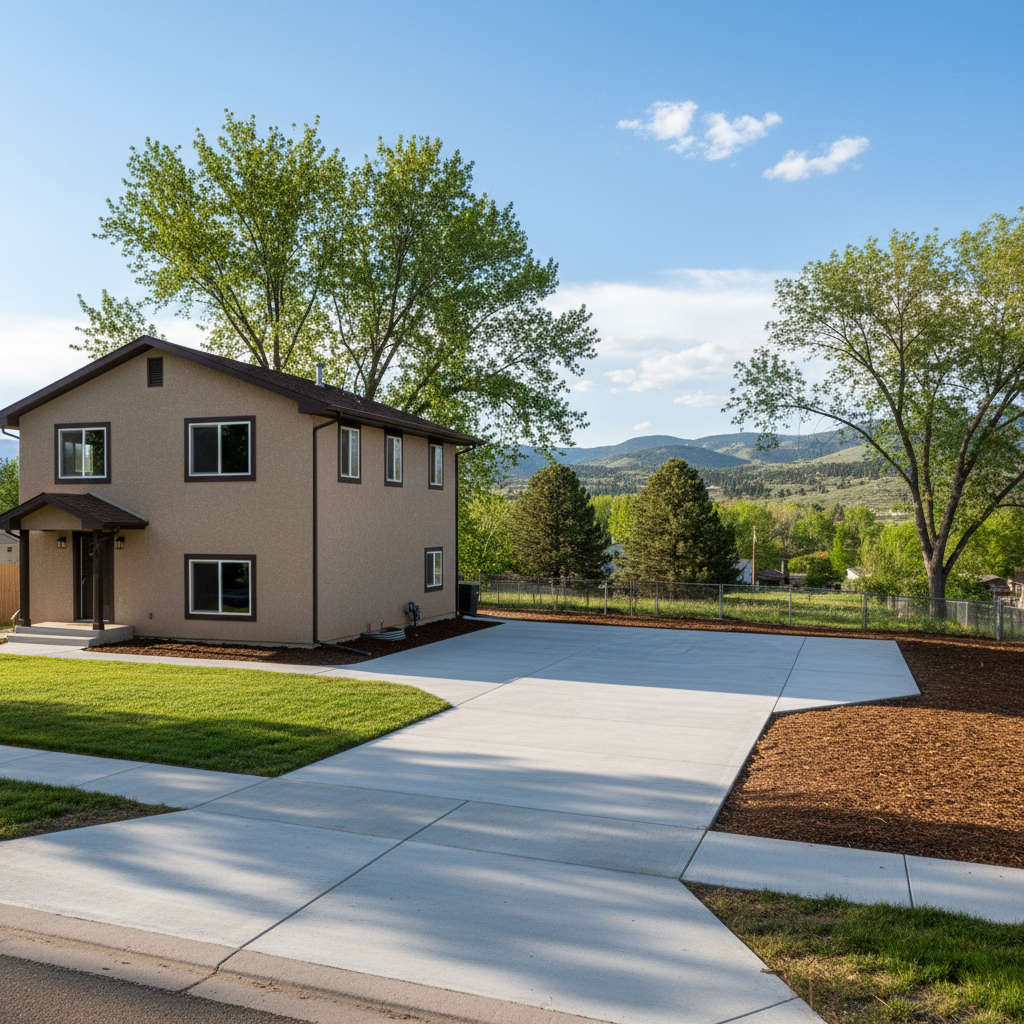
Thinking About Concrete Repair? Let's Get It Right.
So, you've noticed those cracks in your driveway, that sinking patio slab, or maybe your garage floor is looking pretty rough. It's not just an eyesore; it can be a tripping hazard and, if left too long, can lead to bigger, more expensive problems. You're ready to fix it, which is smart. But before you jump in, let's talk about how to plan this out so you get a solid, lasting repair without any headaches.
What's the Timeline Look Like?
Alright, let's manage expectations on timing. Concrete repair isn't usually an instant fix, especially if it's a bigger job. Here's a rough breakdown:
Initial Contact & Quote: This can be quick, maybe a few days to a week after you call. A good contractor will want to come out, see the damage, and discuss your options. Don't rush this part. Make sure they're thorough.
Scheduling the Work: This is where things can vary. Depending on the season and how busy we are, it could be a couple of weeks or even a month or two out. Spring and fall are usually peak times here in Orem, so plan ahead if you can. If you're looking at a major repair, say, replacing a whole section of driveway, permits might be needed, which adds time.
The Repair Itself: For most residential repairs, the actual work might only take a day or two. Smaller jobs, like crack filling or a single slab lift, could be done in a few hours. Bigger tear-outs and pours will obviously take longer. We're talking about the active work here, not the cure time.
Cure Time: This is crucial and often overlooked. Concrete needs time to cure and gain strength. You're usually looking at 24-48 hours before you can walk on it, and 7 days (sometimes more, depending on the mix) before you can drive a vehicle on it. Don't rush this! It's the difference between a repair that lasts and one that fails prematurely.
What to Expect During the Process
When the crew shows up, here's what you'll generally see:
Preparation: This involves clearing the area, maybe some demolition if we're replacing sections, and getting the sub-base ready. This is super important. If the ground underneath isn't stable, your new concrete won't be either. Here in Orem, especially in some of the older neighborhoods with expansive clay soils, proper sub-base prep is non-negotiable. We've seen too many driveways crack prematurely because this step was skipped.
Pouring/Repairing: If it's a new pour, you'll see the concrete truck, forms going up, and the crew working quickly to spread and finish the concrete. For slab lifting (mudjacking or polyjacking), you'll see small holes drilled and material injected to raise the slab. Crack repair involves routing out the cracks and filling them with specialized materials.
Finishing: This is where the magic happens – troweling, brooming for traction, and making sure everything looks good. We take pride in a clean finish at Utah Valley Concrete.
Clean-up: A good crew will clean up their mess. You shouldn't be left with debris or tools scattered around.
How to Prepare Your Property
You can help make the process smoother for everyone:
Clear the Area: Move vehicles, planters, outdoor furniture, toys, and anything else that's near the work zone. We need clear access.
Trim Landscaping: If bushes or trees are right up against the concrete, trim them back. It protects your plants and gives us room to work.
Secure Pets & Kids: Keep them away from the work area. Concrete work involves heavy equipment, wet materials, and tools that aren't safe for curious hands or paws.
Point Out Utilities: While we'll usually check, it's always good to point out any sprinkler heads, underground dog fences, or shallow utility lines you know about.
Plan Your Access: If we're repairing your driveway, you won't be able to use it for a few days. Plan where you'll park your car.
Critical Questions Before You Sign That Contract
Don't just go with the first quote. Ask these questions:
What's included in the price? Get a detailed breakdown. Does it cover demolition, hauling away old concrete, sub-base prep, materials, labor, and clean-up? No surprises.
What type of concrete or repair method are you using? For new pours, ask about the PSI strength. For crack repair, what kind of filler? For slab lifting, what material are they injecting?
Do you have insurance and are you licensed? This is non-negotiable. You want to be protected if something goes wrong.
Can I see references or examples of similar work? A reputable contractor will be happy to show you their portfolio or give you contact info for past clients.
What's the warranty on the work? Understand what's covered and for how long. Good work should come with a guarantee.
What's the payment schedule? Typically, it's a deposit upfront and the remainder upon completion. Be wary of anyone asking for full payment before work even starts.
How will you protect my property? Will they lay down tarps? Protect nearby landscaping? Good contractors are respectful of your home.
Taking the time to plan and ask the right questions upfront will save you a lot of grief and ensure your concrete repair is done right. A solid repair isn't just about fixing a crack; it's about making sure it stays fixed. If you're in Orem and ready to get started, give us a call.